
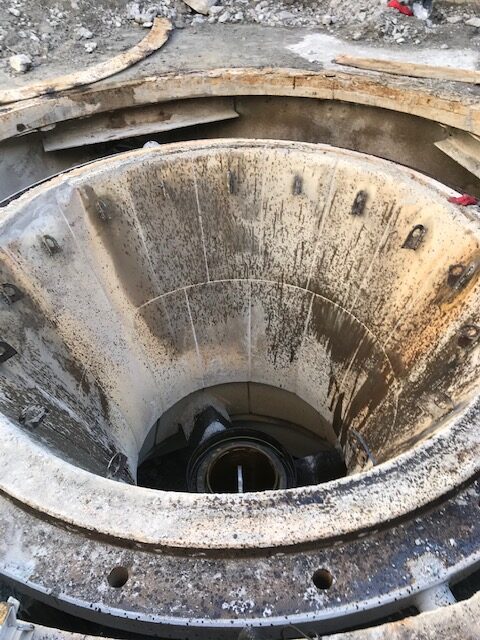
Rock crushers operate under demanding conditions, processing abrasive materials while withstanding continuous impact, pressure, and vibration. Without proper maintenance, normal wear can develop into equipment failures, costly repairs, and unexpected production delays.
A consistent preventive maintenance program helps aggregate producers identify potential issues early, protect critical components, and maintain reliable crushing performance.
Whether your operation uses jaw crushers, cone crushers, or impact crushers, these five rock crusher maintenance tips can help improve equipment reliability and minimize unplanned downtime.
- Perform Routine Rock Crusher Inspections
Regular inspections are one of the most effective ways to identify developing equipment problems before they lead to major repairs.
Daily pre-operation checks and scheduled maintenance inspections should focus on components exposed to heavy loads, vibration, and abrasive material.
Key areas to inspect include:
- Crushing chamber wear components
- Bearings, shafts, and drive assemblies
- Belts, pulleys, and mounting hardware
- Lubrication and hydraulic systems, where equipped
- Structural components and areas showing unusual wear or damage
Look for cracks, loose fasteners, fluid leaks, abnormal wear patterns, and other changes in equipment condition.
Documenting inspection findings and tracking wear measurements over time can help maintenance teams anticipate service needs and plan repairs before unexpected failures occur.
- Follow Manufacturer-Recommended Maintenance Procedures
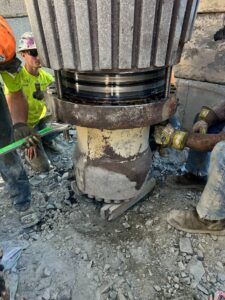
Every rock crusher has specific operating requirements and maintenance intervals based on its design and application.
Following the manufacturer’s operation and maintenance manual helps ensure that critical components receive appropriate attention.
This includes maintaining proper lubrication, checking equipment settings, monitoring operating conditions, and replacing components when they reach specified wear limits.
Using the correct lubricants, following recommended service intervals, and observing proper installation procedures can help prevent premature component damage.
Before performing maintenance, ensure equipment is shut down, isolated from hazardous energy, and secured according to applicable lockout/tagout procedures.
- Monitor High-Wear Components and Material Flow
Crusher wear is unavoidable, but excessive or uneven wear can indicate operating conditions that require attention.
Components such as jaw dies, mantles, concaves, and impact crusher blow bars are exposed to significant abrasion and crushing forces. Their condition directly influences crushing efficiency and product quality.
During inspections, evaluate wear patterns and compare them with previous maintenance records.
Pay attention to changes in material flow, as inconsistent feeding, improper feed distribution, and oversized material can contribute to accelerated wear or equipment stress.
Maintaining appropriate feed conditions and replacing worn components according to manufacturer recommendations helps protect the crusher and maintain consistent performance.
- Operate Crushers Within Recommended Limits
Operating a rock crusher outside its designed capacity or operating parameters can increase mechanical stress and accelerate component wear.
Depending on the crusher type, important operating factors may include feed size, crusher speed, power draw, crushing force, chamber level, and discharge settings.
Overloading equipment or operating with unsuitable feed conditions can affect production efficiency and potentially damage critical components.
Operators should regularly monitor performance indicators and investigate unusual changes in vibration, power consumption, throughput, or product gradation.
Maintaining manufacturer-recommended operating conditions helps support efficient production while reducing unnecessary wear.
- Plan Ahead for Crusher Parts and Maintenance
Even with proper maintenance, crusher components eventually require replacement.
Waiting until a critical component fails can result in extended downtime, particularly when replacement parts are not immediately available.
A proactive maintenance strategy should include identifying frequently replaced components, monitoring their condition, and planning replacements around scheduled shutdowns whenever possible.
Selecting quality crusher parts that meet the equipment manufacturer’s specifications is also important for maintaining proper fit, performance, and reliability.
Keeping commonly needed parts available can help reduce delays and return equipment to production more efficiently.
Keep Your Crushing Equipment Operating Reliably
Effective rock crusher maintenance goes beyond responding to equipment failures. By combining routine inspections, proper operating practices, wear monitoring, and planned parts replacement, aggregate producers can reduce unplanned downtime and protect their equipment investments.
At Southern Machinery Company, we understand the importance of reliable crushing equipment. Our team provides aggregate processing equipment, replacement parts, and field service and maintenance support to help customers keep their operations moving.
Whether you’re planning preventive maintenance, addressing an equipment issue, or looking for replacement crusher parts, Southern Machinery Company is here to help.
Contact Southern Machinery Company to learn more about our equipment parts and service capabilities.