
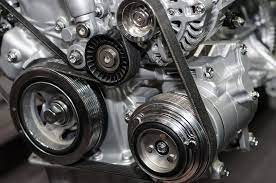
V-belts are among the hardest-working components in many aggregate, mining, recycling, and industrial processing operations. Despite their relatively simple design, they play a critical role in transferring power efficiently through your equipment. When V-belts are not properly maintained, the result can be unexpected downtime, reduced productivity, increased maintenance costs, and premature component failure.
At Southern Machinery Company, we help customers keep their operations running efficiently by providing reliable equipment solutions and maintenance expertise. One of the most effective ways to improve equipment reliability is through a proactive V-belt maintenance program.
Why V-Belt Maintenance Matters
Proper V-belt maintenance is essential for achieving maximum performance and service life from your belt-driven equipment. Regular inspections, correct installation practices, and proper tensioning can help prevent common failures while reducing unnecessary wear on bearings, sheaves, and other drivetrain components.
A well-maintained belt drive system delivers:
- Improved power transmission efficiency
- Reduced downtime and unplanned repairs
- Longer belt and bearing life
- Lower operating costs
- More consistent equipment performance
Common Causes of V-Belt Failure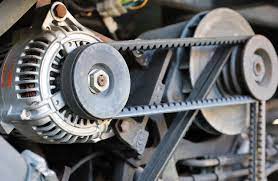
Understanding why belts fail can help maintenance teams identify issues before they become costly problems.
Tensile Breaks
A tensile break occurs when a belt is subjected to forces beyond its design limits. Common causes include:
- Excessive shock loading
- Improper handling before installation
- Belt damage caused by crimping or folding during storage
Proper handling and installation practices can significantly reduce the risk of tensile failures.
Belt Cracking
Cracked belts are often a sign of environmental or operational issues. Common causes include:
- Using sheaves with diameters smaller than recommended
- Starting equipment in extremely cold temperatures
- Prolonged exposure to chemicals, lubricants, or contaminants
Routine inspections can help identify cracking before it leads to complete belt failure.
Tension Loss
Insufficient belt tension can result in slippage, reduced efficiency, and accelerated wear. Common causes include:
- Weak or unstable support structures
- Oil or lubricant contamination
- Excessive sheave wear
- Overloaded drive systems
Monitoring belt condition and drive components regularly can help prevent these issues from affecting production.
V-Belt Storage Best Practices
Many maintenance issues begin before a belt is ever installed. Proper storage is critical for preserving belt integrity and ensuring optimal performance once the belt enters service.
For best results:
- Store belts in a cool, dry environment away from direct sunlight.
- Maintain storage temperatures below 85°F whenever possible.
- Keep relative humidity below 70%.
- Avoid exposure to chemicals, ozone-producing equipment, and lubricants.
- Store belts on racks that support them without creating sharp bends or kinks.
When stored correctly, many V-belts can remain serviceable for several years. However, elevated storage temperatures can significantly reduce their expected shelf life.
Five Essential Rules for Longer V-Belt Life
- Verify Proper Sheave Alignment
Misalignment is one of the leading causes of premature belt wear.
For the most accurate results, use a laser sheave alignment tool rather than relying on string lines or straight edges. Precision alignment reduces sidewall wear, minimizes vibration, and improves overall belt life.
- Measure Belt Tension Correctly
Proper belt tension is critical to system performance.
Using a belt tension meter allows maintenance personnel to verify that belts are operating within manufacturer specifications. Both under-tensioning and over-tensioning can lead to premature failures.
One of the most common mistakes is excessive tension.
Over-tensioning is a leading cause of V-belt failure and can significantly reduce bearing life. Even relatively small increases in belt tension can place additional stress on bearings and drive components, shortening their service life.
- Use Infrared Technology During Inspections
Infrared temperature monitoring can help identify potential issues before they result in downtime.
Hot spots may indicate:
- Over-tensioned belts
- Misalignment
- Excessive friction
- Bearing problems
Incorporating thermal inspections into preventive maintenance routines provides an additional layer of protection against unexpected failures.
- Recheck New Belts After Installation
New belts naturally experience a break-in period after installation.
After approximately 24 hours of operation, belt tension should be rechecked and adjusted as necessary. Skipping this step can result in reduced performance and shortened belt life, particularly on critical production equipment.
- Follow Proper Torque Specifications
Loose hardware can create alignment and vibration issues that negatively impact belt performance.
Always tighten mounting hardware using a calibrated torque wrench and follow manufacturer-recommended torque specifications. Consistent torque practices help maintain drive integrity and reduce the risk of component movement during operation.
Building a Proactive Maintenance Program
The most successful operations treat V-belt maintenance as part of a larger preventive maintenance strategy rather than reacting to failures after they occur.
A comprehensive maintenance program should include:
- Routine visual inspections
- Belt tension verification
- Sheave wear inspections
- Alignment checks
- Thermal monitoring
- Scheduled replacement intervals for critical assets
By identifying problems early, maintenance teams can avoid costly breakdowns and maximize equipment uptime.
Partner with Southern Machinery Company
Keeping your belt-driven equipment operating at peak performance starts with proper maintenance practices. Whether you’re looking for replacement components, maintenance guidance, or complete equipment support, Southern Machinery Company is here to help.
Contact us today to learn more about maintenance solutions, replacement parts, and service support for your operation.